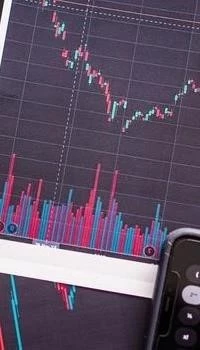
Grid trading‚ often facilitated by advanced automated trading systems and trading bots‚ is an investment strategy designed to capitalize on market volatility within a defined range․ It involves placing a series of buy and sell orders at predetermined price levels‚ creating a “grid” of orders that aim for profit maximization through consistent small gains․ While seemingly straightforward‚ the intricate dance between numerous open positions and fluctuating market conditions presents significant risks that‚ if unmanaged‚ can lead to substantial drawdown․ Effective risk mitigation is not merely an option but a cornerstone for ensuring capital preservation and long-term sustainability in this dynamic trading approach․ This detailed article delves into the critical aspects of managing inherent risks within grid trading‚ applicable across diverse markets such as forex and cryptocurrency․
Understanding Grid Trading Mechanics and Its Inherent Risks
At its core‚ grid trading is a range trading strategy that thrives on mean reversion․ A grid typically consists of buy orders placed below the current price and sell orders above it‚ or vice-versa‚ set at regular intervals․ As the market price oscillates within these specified price levels‚ trade execution occurs automatically․ A buy order is filled when the price drops to a grid line‚ and a corresponding sell order is placed at a higher grid line‚ aiming to close the position for profit when the price rises․ This continuous cycle is the engine of an automated trading system․ However‚ this structure inherently exposes traders to several critical risk factors:
- Unidirectional Market Movements: Grid strategies are optimized for ranging markets․ A strong‚ sustained trend in one direction can quickly accumulate numerous open positions on one side of the grid‚ leading to escalating unrealized losses and significant drawdown․ For a buy-grid‚ a persistent downtrend will continuously open new buy orders‚ increasing negative exposure․
- Excessive Volatility: While grids benefit from volatility‚ extreme‚ sudden price swings can cause “whipsaws‚” where orders are triggered at unfavorable extremes before rapid reversals‚ potentially leaving positions deeply underwater or leading to premature exits․
- Over-Leveraging: Deploying grids with high leverage‚ particularly in forex and cryptocurrency markets‚ amplifies both profits and losses․ A small adverse movement can quickly lead to substantial margin management issues and margin calls․
- Capital Allocation: Inefficient position sizing across grid orders can lead to insufficient capital to withstand prolonged adverse movements‚ undermining capital preservation efforts․
Essential Risk Mitigation Strategies for Grid Trading
To transform grid trading into a sustainable investment strategy‚ robust risk mitigation techniques must be integrated․ These strategies focus on containing drawdown‚ managing volatility‚ and safeguarding capital․
Defining Optimal Trading Range and Price Levels
The foundation of a resilient grid lies in meticulously defining its upper and lower price levels․ This requires thorough technical analysis to identify significant support and resistance zones where mean reversion is most probable․ A grid that is too narrow will be frequently broken‚ while one that is too wide might not generate sufficient trade execution for profit maximization․ Dynamic adjustment of these price levels based on evolving market conditions‚ often automated through algorithms‚ is crucial․
Implementing Robust Stop-Loss Orders
Stop-loss orders are paramount for capital preservation and limiting drawdown when the market moves beyond the grid’s intended range․ In grid trading‚ stop-loss can be applied in several ways:
- Overall Grid Stop-Loss: This is a non-negotiable risk mitigation tool․ A single stop-loss point is set for the entire grid‚ often beyond a major support/resistance level or at a predefined percentage drawdown from the initial capital․ If the price breaches this level‚ all open positions within the grid are closed simultaneously‚ preventing catastrophic losses in a strong trend․
- Time-Based Stop-Loss: Some traders employ a time-based stop-loss‚ closing all grid positions if they remain open beyond a certain duration‚ especially if the market becomes stagnant or enters an unexpected trend․
Proper stop-loss placement is essential for managing exposure control and preventing a runaway drawdown scenario․
Strategic Hedging Techniques
Hedging involves taking offsetting positions to mitigate potential losses from adverse market movements․ While complex‚ it offers advanced risk mitigation:
- Inverse Grids: Running a second grid in the opposite direction (e․g․‚ a short grid alongside a long grid) can help absorb losses from strong trends․ However‚ this can also reduce profit maximization in ranging markets due to conflicting positions‚ requiring careful portfolio optimization․
- Options or Futures: For larger capital allocations‚ using options or futures contracts to hedge against significant price movements beyond the grid’s range can provide robust exposure control․ For instance‚ buying out-of-the-money put options on a cryptocurrency asset can protect a long-biased grid from a sharp market downturn‚ while buying call options can protect a short-biased grid in forex․
- Diversification: Spreading capital across different grid strategies on uncorrelated assets‚ or integrating grid trading as one part of a broader diversified investment strategy‚ contributes significantly to portfolio optimization and overall risk mitigation;
Prudent Position Sizing and Exposure Control
Effective position sizing is fundamental to capital preservation․ Each individual grid order should represent only a small‚ calculated fraction of the total trading capital․ This allows the grid to absorb significant adverse price movements without triggering premature margin calls or causing excessive drawdown․ Algorithms within trading bots can be configured for dynamic position sizing‚ adjusting order volumes based on available margin‚ current market conditions‚ and a predefined risk percentage․ This disciplined approach ensures robust exposure control․
Dynamic Grid Adjustment and Algorithms
Rigid grids are highly vulnerable to changing market conditions․ An advanced investment strategy incorporates algorithms for dynamic grid adjustment․ Trading bots can be programmed to:
- Shift the entire grid up or down as the market trend shifts‚ maintaining relevance․
- Expand or contract the grid’s range based on changes in volatility‚ using indicators like ATR (Average True Range)․
- Temporarily pause trade execution or modify price levels during periods of extreme market conditions or significant news events that could induce unpredictable price action․
This adaptability is key to proactive risk mitigation․
Backtesting and Simulation
Before deploying any grid trading strategy with real capital‚ extensive backtesting and simulation are indispensable․ Using historical data‚ traders can simulate how their grid algorithms would have performed under various market conditions‚ including periods of high volatility‚ strong trends‚ and prolonged ranges․ Backtesting helps in:
- Identifying optimal grid parameters (e․g․‚ grid size‚ spacing‚ profit targets)․
- Understanding potential drawdown scenarios and the effectiveness of stop-loss levels․
- Validating the efficacy of hedging and position sizing strategies․
- Refining the overall investment strategy for better risk mitigation and enhanced profit maximization․
Diligent Margin Management
For leveraged trading‚ commonly seen in forex and cryptocurrency markets‚ proactive margin management is crucial for capital preservation․ Traders must continuously monitor their margin levels and ensure sufficient free margin to withstand adverse price movements․ Avoiding excessively high leverage‚ which amplifies volatility risk and increases the likelihood of margin calls‚ is paramount․ Maintaining an adequate margin buffer is a fundamental aspect of risk mitigation․
Advanced Risk Management Considerations
Order Book Analysis
For assets with transparent order book data‚ such as many cryptocurrency pairs‚ analyzing depth can provide valuable insights․ Identifying large buy or sell walls can inform where to strategically place grid boundaries or stop-loss levels‚ enhancing the precision of trade execution and optimizing price levels․
Integrating with Broader Portfolio Optimization
Grid trading should be viewed as one component of a diversified investment strategy․ Its performance should be considered within the context of your overall portfolio optimization goals․ This might involve dedicating a specific portion of capital to grid strategies while allocating other funds to long-term holdings or different trading styles‚ further spreading risk and enhancing overall capital preservation․
Continuous Monitoring and Human Intervention
Despite the power of automated trading and trading bots driven by sophisticated algorithms‚ human oversight remains indispensable․ Market conditions can shift rapidly and unpredictably due to geopolitical events‚ economic data releases‚ or sudden changes in sentiment․ Regular monitoring allows for timely intervention‚ such as pausing the grid‚ manually adjusting parameters‚ or closing positions if the algorithms are struggling to adapt to unprecedented situations․ This human element is critical for ultimate risk mitigation and ensuring capital preservation․
Grid trading‚ when approached with a disciplined and comprehensive risk management framework‚ can be a highly effective tool for profit maximization in ranging and mean reversion markets․ However‚ its inherent exposure to strong trends and high volatility necessitates careful planning․ By meticulously defining price levels‚ implementing robust stop-loss orders‚ strategically employing hedging techniques‚ practicing prudent position sizing and exposure control‚ leveraging the insights from backtesting‚ and adopting dynamic adjustment algorithms‚ traders can significantly enhance capital preservation․ A well-constructed investment strategy‚ coupled with continuous margin management and a deep understanding of evolving market conditions‚ transforms grid trading from a potentially high-risk gamble into a sophisticated method for systematic risk mitigation and sustainable profit maximization in the complex worlds of cryptocurrency and forex trading․
Keywords Used:
- Drawdown: The peak-to-trough decline in an investment’s value․
- Volatility: The degree of variation of a trading price series over time․
- Capital Preservation: An investment objective focused on protecting the initial investment amount․
- Stop-Loss: An order to buy or sell a security once it reaches a certain price‚ limiting potential losses․
- Hedging: An investment made to reduce the risk of adverse price movements in an asset․
- Automated Trading: Using computer programs to execute trades automatically․
- Price Levels: Specific points on a price chart often representing support or resistance․
- Trading Bots: Automated software programs that execute trades based on predefined rules․
- Range Trading: An investment strategy that aims to profit from assets trading within a defined price range․
- Order Book: A list of buy and sell orders for a specific financial instrument․
- Mean Reversion: The theory that prices will tend to move back towards their average․
- Risk Mitigation: Actions taken to reduce the severity or likelihood of a risk․
- Portfolio Optimization: The process of selecting the best portfolio given a set of constraints․
- Market Conditions: The characteristics of a market at a given time (e․g․‚ trending‚ ranging‚ volatile)․
- Investment Strategy: A plan for selecting and managing investments․
- Trade Execution: The process of completing a buy or sell order․
- Algorithms: Sets of rules followed by a computer to solve a problem or perform a task․
- Exposure Control: Managing the amount of capital at risk in a trade or portfolio․
- Profit Maximization: The process of increasing the amount of profit․
- Position Sizing: Determining the number of units of a security to trade․
- Margin Management: Overseeing the funds required to maintain leveraged positions․
- Backtesting: Testing a trading strategy using historical data․
- Cryptocurrency: Digital or virtual currency secured by cryptography․
- Forex: Foreign Exchange market‚ for trading currencies․


This article provides an incredibly clear and insightful look into grid trading, perfectly balancing its profit potential with the crucial risks involved. I particularly appreciate the emphasis on risk mitigation and understanding unidirectional market movements. It’s a fantastic resource for anyone looking to navigate automated trading effectively!