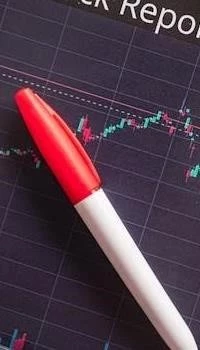
Backtesting is an absolutely indispensable and foundational process for any serious developer of an automated trading strategy or algorithmic trading system. It empowers traders to rigorously evaluate the potential viability‚ efficacy‚ and performance of their proposed trading rules and parameters by applying them to extensive historical data‚ all before risking any real capital. This detailed simulation serves as a critical cornerstone for robust system development‚ enabling comprehensive risk management and offering invaluable insights into a strategy’s true potential.
What is Backtesting?
At its core‚ backtesting involves the systematic application of a meticulously defined trading strategy to a comprehensive set of past market data. The primary objective is to accurately simulate how the strategy would have performed under actual historical market conditions‚ thereby generating a hypothetical track record. This rigorous quantitative analysis provides crucial‚ data-driven insights into the potential profitability‚ inherent risks‚ and overall characteristics associated with the specific trading rules and indicators employed. It’s a virtual replay of market history through the lens of your strategy.
Why is Backtesting Crucial?
Backtesting fulfills several critical functions within the realm of algorithmic trading. Firstly‚ it provides robust validation for the underlying logic of a trading strategy‚ clearly demonstrating its potential effectiveness or‚ equally important‚ exposing its inherent flaws and weaknesses. Secondly‚ it is absolutely vital for proactive risk management‚ offering deep insights into potential drawdown levels‚ overall volatility‚ and the capital required to sustain the strategy. Understanding these factors is paramount. Finally‚ it acts as an iterative engine for system development‚ facilitating the continuous refinement and precise optimization of parameters and trading rules before the strategy is ever deployed in a live automated trading environment.
The Backtesting Process
Define Your Trading Strategy
The initial and most critical step is to articulate your trading strategy with absolute precision and clarity. This encompasses meticulously specifying all trading rules‚ including the exact conditions for generating entry signals and exit signals. Which technical or fundamental indicators will be utilized? What are the specific parameters for these indicators‚ and how will position sizing be determined? Any ambiguity at this stage will inevitably lead to inaccurate and unreliable simulations‚ undermining the entire backtesting effort.
Gathering High-Quality Market Data
The integrity and accuracy of your backtesting results are inextricably linked to the quality and depth of your market data. You must acquire comprehensive historical data‚ ideally at the highest available frequency (e.g.‚ tick-by-tick or high-frequency data)‚ that closely mirrors the type of data your automated trading system will consume in real-time. Crucially‚ this data must be free from errors‚ missing periods‚ or biases such as survivor bias‚ which can significantly distort your performance metrics and render your quantitative analysis misleading. The adage “garbage in‚ garbage out” applies emphatically here.
Running the Simulation
Once your trading strategy is fully defined and your high-quality historical data is meticulously prepared‚ you proceed to run the simulation. Your chosen backtesting software will systematically apply your predefined trading rules in chronological order to the historical market data‚ meticulously recording every single trade‚ profit‚ loss‚ and open position. This intricate process effectively reconstructs the strategy’s equity curve – a powerful visual representation of your strategy’s hypothetical performance and capital fluctuations over the entire backtested period.
Analyzing Performance Metrics
Post-simulation‚ a thorough and detailed quantitative analysis of the generated performance metrics is absolutely essential. Key metrics to scrutinize include:
- Profitability: This encompasses total net profit‚ gross profit‚ gross loss‚ and the profit factor‚ which indicates how much gross profit is generated per unit of gross loss.
- Drawdown: Represents the largest peak-to-trough decline in the equity curve. Maximum drawdown is a critical risk management metric‚ revealing the potential capital at risk during adverse periods.
- Sharpe Ratio: A widely used measure of risk-adjusted return. It quantifies how much excess return you receive for the level of volatility (risk) undertaken‚ with higher values generally indicating a more efficient strategy.
- Win Rate and Loss Rate: The percentage of winning trades versus losing trades‚ providing insight into trade consistency.
- Average Win/Loss: The average profit or loss per trade‚ crucial for understanding trade expectancy.
It is also critically important to factor in real-world trading frictions such as slippage and transaction costs (e.g.‚ commissions‚ exchange fees‚ bid-ask spreads) in your calculations. Ignoring these can drastically inflate simulated profitability and lead to unrealistic expectations in live automated trading.
Optimization and Calibration
Many sophisticated backtesting platforms offer robust capabilities for optimization. This allows you to systematically test a wide range of values for your trading strategy’s parameters‚ aiming to identify the specific set that yielded the best historical performance metrics according to predefined criteria (e.g.‚ highest Sharpe ratio‚ lowest drawdown‚ or maximum profitability). This iterative calibration step is crucial for refining your trading rules and enhancing the strategy’s potential effectiveness. However‚ it must be approached with extreme caution to avoid the perils of overfitting.
Common Pitfalls and How to Avoid Them
Overfitting
One of the most dangerous and pervasive pitfalls in backtesting is overfitting. This phenomenon occurs when a trading strategy’s parameters are excessively and meticulously tuned to perform exceptionally well on a particular‚ finite set of historical data. While it might show stellar performance metrics during the simulation‚ such a strategy often performs abysmally on new‚ unseen market data because it has effectively “memorized” the unique quirks of the past rather than identifying truly robust‚ generalizable patterns. A strategy suffering from overfitting lacks true robustness.
Data Snooping Bias
Closely related to overfitting‚ data snooping bias refers to the unconscious or conscious selection of a trading strategy or specific parameters that appear to work well on historical data‚ often after having tested numerous different approaches. This can lead to an inflated sense of a strategy’s true predictive power and profitability.
Ignoring Transaction Costs and Slippage
A common and costly mistake is the failure to incorporate realistic estimates for slippage and transaction costs into your backtesting simulation. These real-world frictions‚ which include commissions‚ exchange fees‚ and the price difference between your order and execution‚ can dramatically erode simulated profitability. For high-frequency automated trading strategies‚ even minor slippage and cumulative transaction costs can easily turn a seemingly profitable strategy into a net loser‚ severely impacting the actual equity curve.
Ensuring Robustness
To develop a truly reliable and robust automated trading system‚ it is imperative to actively combat the dangers of overfitting and to ensure that your trading strategy can perform consistently across a diverse range of market data and conditions.
Walk-Forward Analysis
Walk-forward analysis is an exceptionally powerful and advanced technique specifically designed to combat overfitting and rigorously test a strategy’s robustness. Rather than performing a single optimization for the entire historical data set‚ this method divides the data into successive “in-sample” periods (for optimization) and subsequent “out-of-sample” periods (for testing the optimized parameters). This iterative process simulates how a strategy would be continuously optimized and traded in a rolling‚ real-world fashion over time‚ providing a far more realistic and reliable assessment of its expected future performance metrics. It is an indispensable step in advanced algorithmic trading system development‚ significantly enhancing the confidence in your trading rules.
Out-of-Sample Testing
Beyond initial optimization‚ always ensure you conduct final validation of your chosen trading strategy on a segment of historical data that was completely untouched and not used during any phase of development‚ optimization‚ or initial simulation. This “out-of-sample” data provides the freshest‚ most unbiased evaluation of your strategy’s true robustness and generalizability.
Stress Testing
To further gauge robustness and assess risk management capabilities‚ subject your trading strategy to extreme or unusual market data conditions within your historical data‚ such as periods of financial crises‚ flash crashes‚ or significant volatility spikes. This “stress testing” reveals how the strategy behaves under duress and helps identify potential vulnerabilities in its trading rules and exit signals.
Ultimately‚ backtesting is far more than just running a simple simulation; it represents a rigorous‚ scientific methodology central to the successful system development and confident deployment of any automated trading strategy. By meticulously defining trading rules and parameters‚ utilizing the highest quality historical data‚ thoroughly analyzing comprehensive performance metrics like the equity curve‚ drawdown‚ and Sharpe ratio‚ and actively guarding against common pitfalls such as overfitting through advanced techniques like walk-forward analysis‚ traders can construct truly robust‚ potentially profitable‚ and reliable algorithmic trading systems. A disciplined‚ comprehensive approach to backtesting‚ accounting for real-world factors like slippage and transaction costs‚ forms the bedrock of effective risk management and sustainable long-term success in the dynamic financial markets.



This article perfectly articulates the absolute necessity and profound value of backtesting in algorithmic trading. The explanation of “What is Backtesting?” and “Why is Backtesting Crucial?” is incredibly clear and concise, highlighting its role in validation, risk management, and iterative development. I particularly appreciate how it emphasizes the ability to evaluate a strategy without risking real capital first. A truly foundational and well-explained piece for anyone serious about automated trading!